
 04 June 2026
 Share
Share
1
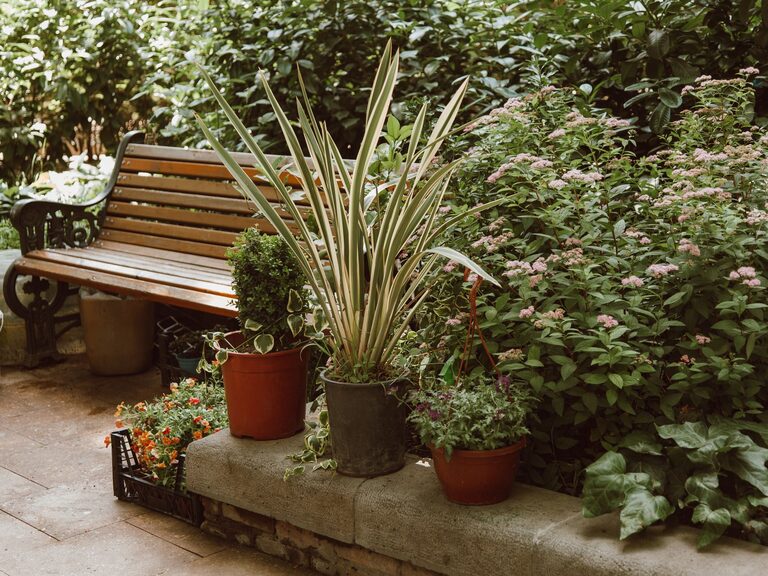
Creating a relaxing home garden space is a wonderful way to bring a sense of peace and calm to your daily routine. Whether you have a large backyard or a small balcony, with a few thoughtful steps, you can turn your outdoor area into a personal retreat. This guide will walk you through simple ways to design and care for a garden that promotes relaxation and rejuvenation.
A garden offers more than just visual beauty—it provides a natural sanctuary where you can escape the stresses of everyday life. Spending time in green spaces has been shown to improve mood, reduce stress, and even boost creativity. By designing your garden with relaxation in mind, you create a spot perfect for reading, meditating, or enjoying a cup of tea.
Start by selecting the best spot for your garden:
– Sunlight: Determine how much sun the area receives. Most plants require at least six hours of sunlight, but shade-loving varieties are also an option.
– Accessibility: Pick a location that is easy to reach and view from windows or outdoor seating.
– Privacy: Consider placing your garden in a more secluded area or using screens, hedges, or trellises to create a private nook.
Sketch a simple layout to decide where different elements will go. Think about:
– Paths: Create winding paths with gravel, stepping stones, or wood chips to encourage leisurely strolls.
– Seating: Add comfortable seating like benches, hammocks, or garden chairs where you can relax.
– Zones: Designate areas for different purposes such as a flower bed, vegetable patch, or meditation corner.
Select plants that promote a calm atmosphere:
– Colour palette: Use soft greens, blues, and pastel flowers to create a tranquil look.
– Fragrance: Incorporate lavender, rosemary, jasmine or gardenias for gentle, natural scents.
– Variety: Mix evergreens with seasonal blooms to maintain year-round interest.
– Low maintenance: Opt for hardy plants that suit your climate and require minimal upkeep.
The sound of water is naturally soothing. Consider installing:
– A small fountain or birdbath
– A pond with gentle ripples
– A simple water bowl with floating candles
Water features attract wildlife like birds and butterflies, adding to the peaceful ambiance.
Relaxation depends greatly on comfort:
– Invest in weatherproof cushions and pillows.
– Use shade structures such as pergolas, umbrellas, or climbing plants for shelter from sun.
– Place side tables nearby to hold drinks, books, or gardening tools.
Extend your enjoyment into the evening with gentle lighting:
– Solar-powered lanterns or fairy lights strung through trees.
– Candles safely enclosed in glass jars.
– Low-voltage garden lamps along paths.
Avoid harsh or bright lights, which can disrupt the calming atmosphere.
Enhance the sensory experience by adding:
– Natural materials like wood, stone, and bamboo.
– Wind chimes or subtle garden sculptures.
– Bird feeders or butterfly-friendly plants.
These details connect you more closely with nature and add charm.
A tidy garden feels more inviting and restful:
– Remove weeds and dead leaves frequently.
– Prune overgrown plants to keep spaces open.
– Water consistently, especially in dry spells.
Keeping a regular but manageable routine ensures your garden remains a place you want to spend time.
Creating a relaxing home garden space doesn’t require expert skills or expensive materials. With a bit of planning and care, your garden can be a wonderful haven for quiet moments, fresh air, and natural beauty. Start small, enjoy the process, and watch your peaceful outdoor retreat grow.
Happy gardening!
