 04 June 2026
 Share
Share
1
Creating a home office that fosters both relaxation and productivity is essential in today’s work-from-home world. Whether you’re a full-time remote worker, a freelancer, or someone who occasionally works from home, your workspace can profoundly affect how you feel and perform. Here are some practical tips and ideas to help you craft a home office space that balances comfort, focus, and efficiency.
Selecting the ideal spot for your home office is the foundation of creating a productive environment.
– Natural Light: Aim for a room or corner with plenty of natural light. Exposure to daylight helps improve mood and energy levels.
– Quiet Area: Find a space away from household distractions like TV or busy kitchens.
– Privacy: If possible, choose a separate room with a door you can close for meetings or to minimise interruptions.
Your furniture choices can make a huge difference when working for long hours.
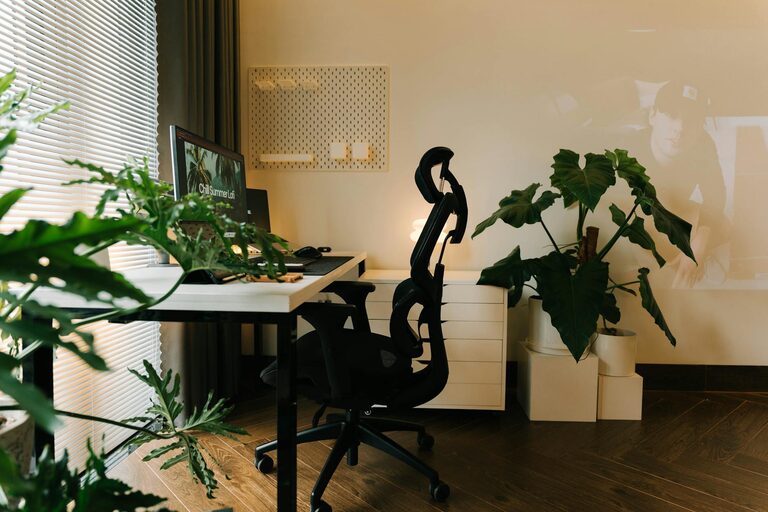
– Ergonomic Chair: Choose an adjustable chair that supports your back and promotes good posture.
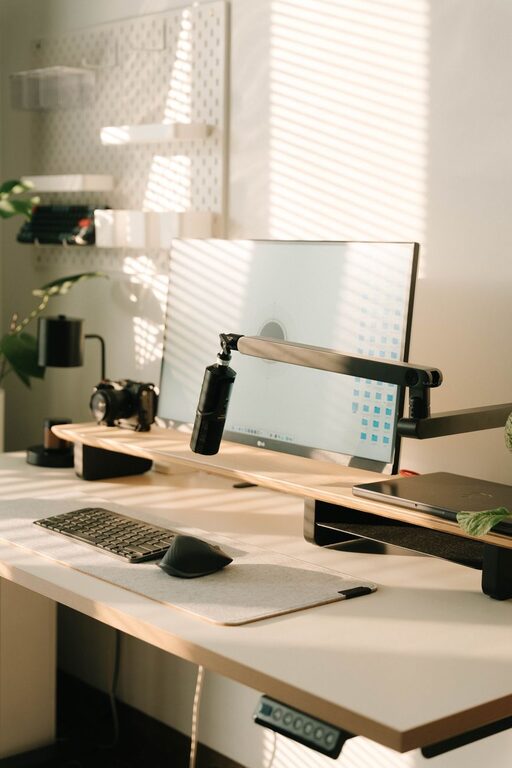
– Desk Height: Ensure your desk is the right height to keep your forearms parallel to the floor when typing.
– Flexible Setup: Consider a standing desk or an adjustable sit-stand workstation to change positions throughout the day.
A tidy workspace helps clear your mind and saves time looking for things.
– Storage Solutions: Use shelves, drawers, or filing cabinets to keep documents and office supplies organised.
– Declutter Regularly: Remove unnecessary items to avoid distractions.
– Cable Management: Use clips or sleeves to keep cords tidy and out of the way.
Colour and decor can influence your mood and productivity.
– Neutral and Soft Tones: Shades like pale blues, gentle greens, or soft greys create a calming atmosphere.
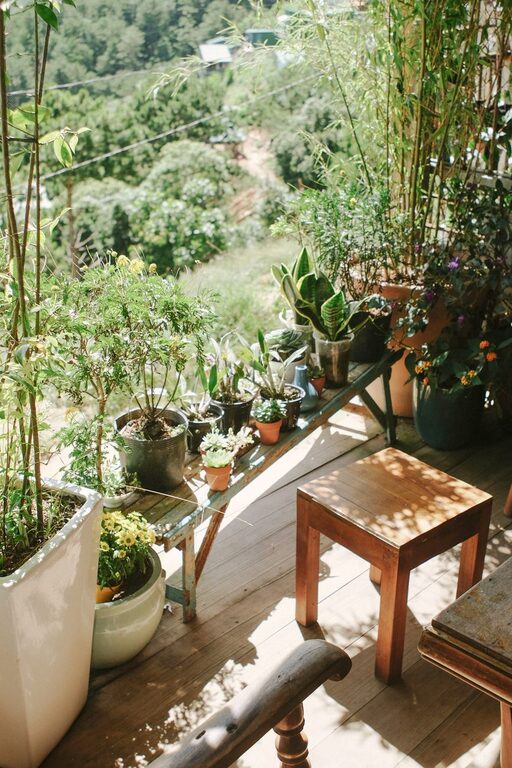
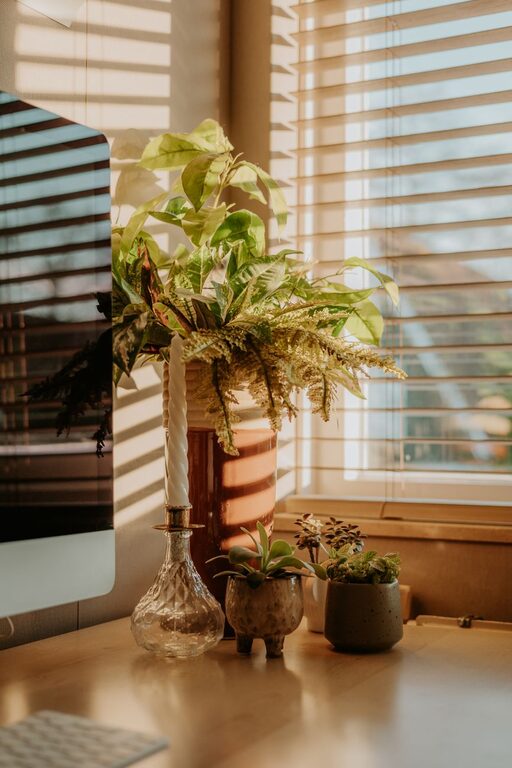
– Personal Touches: Add photos, artwork, or plants to make the space welcoming and motivating without overcrowding.
– Minimalism: Avoid cluttered walls or too many decorations that could overwhelm your focus.
Good lighting helps reduce eye strain and keeps you alert.
– Task Lighting: Use adjustable desk lamps that provide focused light where you need it.
– Avoid Glare: Position screens and lights to reduce reflections.
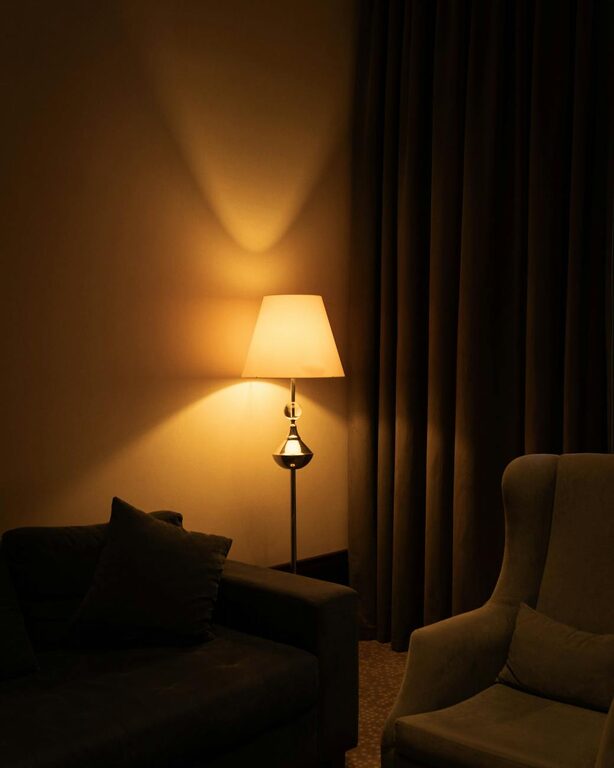
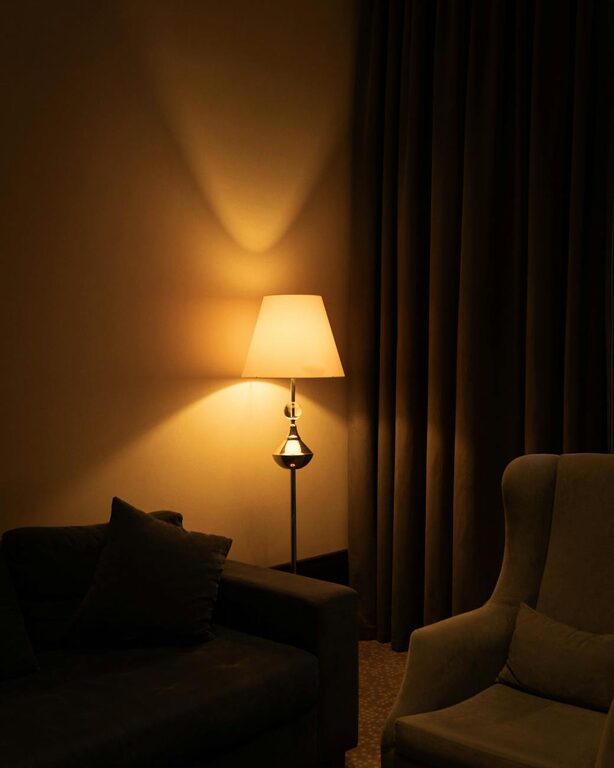
– Warm Light in Evenings: Switch to warmer bulbs later in the day to signal to your body that it’s time to wind down.
Plants offer both aesthetic and health benefits.
– Air Quality: Many indoor plants improve the air quality in your room.
– Stress Reduction: Natural greenery has been shown to reduce stress and boost overall wellbeing.
– Easy Care Plants: Opt for low-maintenance varieties like succulents, snake plants, or pothos.
Creating clear work habits helps maintain productivity and relaxation.
– Defined Work Hours: Set specific start and finish times to establish routine.
– Breaks: Take regular short breaks to move, stretch, or step outside.
– Tech Boundaries: Turn off work notifications outside work hours to maintain a work-life balance.
The right equipment supports a smoother workflow.
– Reliable Internet: Ensure your connection is fast and stable for video calls and online tools.
– Quality Headset or Speakers: For clear communication during meetings.
– Backing Up Work: Use cloud storage or external drives to save important files automatically.
If your home office serves multiple functions, consider zoning.
– Work Zone: Dedicated desk and chair for focused tasks.
– Relaxation Zone: A comfortable chair or corner for reading or brainstorming.
– Storage Zone: Clearly organised area for supplies, equipment, and paperwork.
The physical environment affects comfort and concentration.
– Ventilation: Open windows when possible or use air purifiers to improve air circulation.
– Temperature: Adjust heating or cooling so you stay comfortable but not too warm, which can cause sleepiness.
Transforming your home office into a space that is both relaxing and productive doesn’t have to be complicated or expensive. By focusing on the right location, ergonomic furniture, organisation, calming design, and clear boundaries, you create an environment that supports your best work. Remember, every person is different, so adapt these tips to suit your needs and preferences. A well-considered home office can greatly enhance your wellbeing and efficiency, making working from home a positive experience.