 04 June 2026
 Share
Share
1
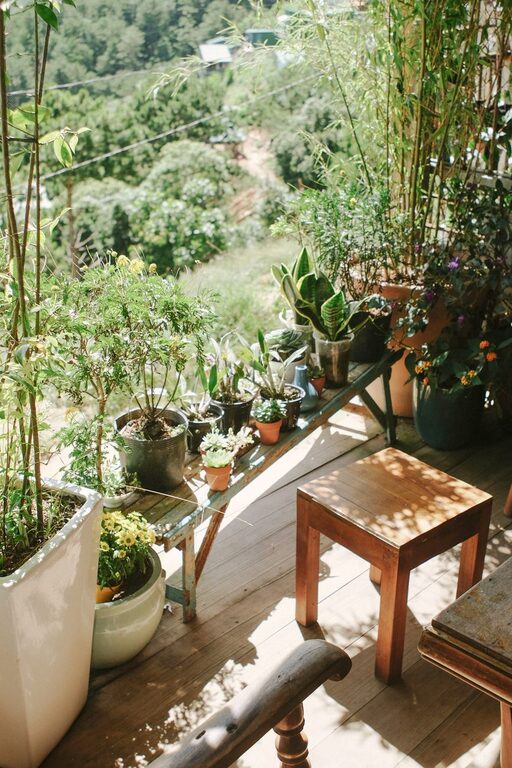
Creating a relaxing garden space at home can offer a peaceful retreat from the hustle and bustle of daily life. Whether you have a large backyard or a small balcony, a thoughtfully designed garden allows you to enjoy fresh air, greenery, and moments of calm. This post shares practical tips to help you transform your outdoor area into a soothing sanctuary.
Gardens have been valued for centuries as places to relax, reflect, and rejuvenate. Spending time outdoors can improve mood, reduce stress, and even enhance creativity. A well-designed garden invites mindfulness and helps you feel connected to nature, even in an urban environment.
Before planting or buying garden furniture, it’s important to plan your space to ensure it suits your needs and preferences.
– Size and shape: Measure the area available and note any existing features such as trees, paths, or structures.
– Light conditions: Observe how sunlight moves throughout your garden to choose suitable plants and seating locations.
– Privacy: Consider natural screens like hedges or installing fences to create a private and tranquil environment.
Think about how you want to use the space:
– Do you want a quiet reading nook, a place for yoga or meditation, or an area for socialising?
– Will you be gardening as a hobby or prefer low-maintenance options?
Plants are central to creating a soothing atmosphere. The right selection can stimulate your senses and provide seasonal interest.
Soft greens, blues, and gentle purples tend to have a calming effect. Examples include:
– Lavender: Pleasant scent and purple flowers
– Ferns: Rich green foliage
– Hostas: Varied leaf shapes and colours
Scented plants can enhance relaxation:
– Jasmine
– Rosemary
– Gardenias
Layering plants of different heights and foliage textures provides depth and interest without overwhelming the senses.
If you prefer minimal upkeep, consider perennials, drought-tolerant plants, or container gardening with hardy species.
A comfortable place to sit is essential for enjoying your garden.
– Materials: Wood and wicker blend well with natural surroundings, while metal can provide a modern touch.
– Comfort: Add cushions and throws to increase cosiness.
– Weather Protection: Use weather-resistant fabrics and consider waterproof covers.
Place seating to take advantage of the best views, sunlight, or shade depending on your preference.
Water adds a sense of calm through gentle sounds and visual appeal.
– Birdbaths: Attract wildlife and offer moving water.
– Small fountains or ponds: Provide soothing water sounds.
– Water bowls: Simple and easy to maintain.
Even a small water feature can transform your garden into a tranquil retreat.
Soft garden lighting extends the usability of your space into the evening.
– Solar-powered lights: Eco-friendly and easy to install along paths or around seating.
– String lights: Create a magical canopy effect.
– Lanterns or candles: Add warmth and intimacy.
Choose warm white lights for a cosy atmosphere.
Enhance the sensory experience by including natural materials and decorative touches.
– Stone or wooden pathways: Invite exploration.
– Wind chimes: Add gentle sounds.
– Garden sculptures or pottery: Add personality.
Keep accessories minimal to maintain a peaceful vibe.
To keep your relaxing garden space inviting:
– Regularly tidy and prune plants to avoid clutter.
– Remove weeds promptly.
– Refresh cushions and accessories as needed.
Remember, even small daily or weekly gardening tasks can be relaxing activities in themselves.
Creating a relaxing garden space at home is about harmonising nature, comfort, and your personal tastes. Start small and adapt your garden over time to reflect your changing needs. With patience and care, your garden can become your favourite spot to unwind and recharge.
Enjoy the process of designing your outdoor haven — your future self will thank you!