
 04 June 2026
 Share
Share
1
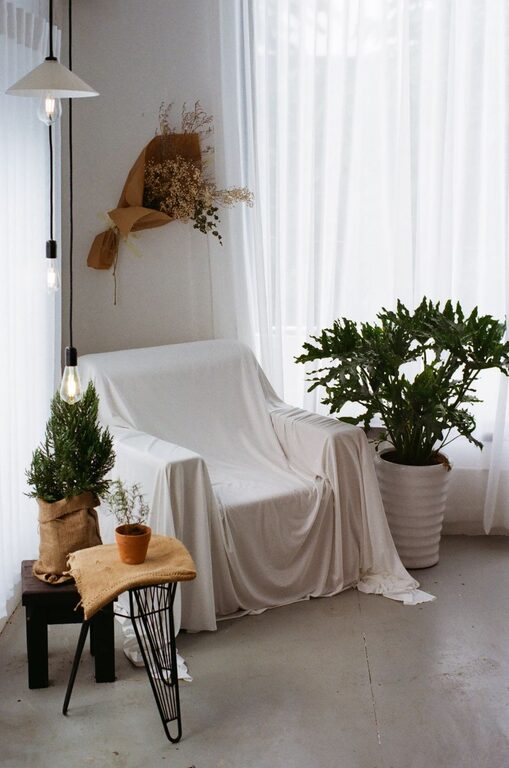
Creating a relaxing home environment doesn’t have to involve expensive renovations or specialised products. With a few thoughtful touches and everyday items around the house, you can transform your living space into a calm, welcoming retreat. In this post, we share practical tips to help you foster tranquillity and comfort using things you probably already own.
Our homes are where we unwind from the stresses of daily life. A serene atmosphere promotes better mood, improved sleep, and overall wellbeing. Especially in today’s busy world, having a cosy space to recharge is essential. The good news is that small changes make a big difference.
Less is more when designing a relaxing space. Clutter creates visual noise and can make you feel overwhelmed.
– Sort through belongings: Store, donate, or discard items you no longer use.
– Use baskets or boxes: Keep small items contained and out of sight.
– Maintain surfaces: Clear tabletops and countertops to keep spaces open and airy.
A tidy space allows your mind to feel calm and focused.
Harsh overhead lighting can contribute to tension. Instead, opt for softer lighting options that create a cosy atmosphere.
– Table lamps and floor lamps: Place these around the room to reduce harsh shadows.
– Candles: A classic way to add warmth; flameless versions offer safety and convenience.
– Fairy lights or string lights: These offer a whimsical, gentle glow perfect for relaxation areas.
Layering different light sources gives you control to adjust the ambience at any time.
Bringing nature indoors can have a soothing effect on your senses.
– Houseplants: They improve air quality and add a touch of greenery. Easy options include spider plants, snake plants, and pothos.
– Flowers: Fresh blossoms brighten a room and can subtly improve mood.
– Natural materials: Use wooden or stone accessories to add texture and an organic feel.
A connection to nature fosters calm and reduces stress.
Soft, tactile fabrics invite relaxation and comfort.
– Cushions and throws: Add these to sofas and armchairs to create inviting spots.
– Rugs: They bring warmth and soften hard floors beneath your feet.
– Curtains: Use light-blocking or insulating curtains to help regulate room temperature and reduce noise.
Opt for natural fibres like cotton, wool, or linen for breathability and comfort.
Scent powerfully influences mood and can make your home feel welcoming.
– Essential oils: Add a few drops to a diffuser or a bowl of water on a radiator.
– Herbs: Dried lavender, chamomile, or rosemary can be placed in small sachets around the home.
– Fresh baking: The smell of homemade bread or cookies also creates a cosy atmosphere.
Avoid overpowering scents; subtlety is key for relaxation.
Designate spaces where you can switch off and unwind.
– Reading nook: Use a comfy chair, good lighting, and a small side table for books and a cup of tea.
– Meditation corner: Keep this area clear with cushions, candles, or calming images.
– Bathroom oasis: Enhance your bathroom with soft towels, candles, and calming music for spa-like experiences.
Consistency helps your brain associate these spots with rest.
Soft soundscapes can mask disruptive noises and foster relaxation.
– Nature sounds: Recordings of rain, ocean waves, or birdsong provide peaceful background noise.
– Soft music: Instrumental or ambient playlists help calm the mind.
– White noise machines: Useful particularly in noisy environments to maintain tranquility.
Experiment with what helps you feel most serene.
Everyday objects that bring you joy add comfort and a sense of security.
– Photos and mementos: Display family pictures or souvenirs that remind you of happy times.
– Books: Surround yourself with favourite reads that comfort and inspire.
– Handmade or sentimental items: These bring warmth and personality to your home.
Personal touches make your home uniquely yours, enhancing comfort.
Fresh air helps you feel revitalised, so open windows regularly.
– Cross-ventilation: If possible, open windows or doors at opposite ends to refresh the air.
– Houseplants: As noted earlier, they aid air purification.
– Avoid strong chemical cleaners or sprays that can be harsh and disrupt indoor air quality.
A breath of fresh air contributes to a sense of calm and well-being.
—
Creating a relaxing home environment with everyday items is simple and affordable. By tidying up, softening lighting, adding natural touches, and personalising your space, you invite calm and comfort into your daily life. With these small but effective steps, your home can become the peaceful sanctuary you deserve. Enjoy building your perfect relaxing retreat!
