
 04 June 2026
 Share
Share
1
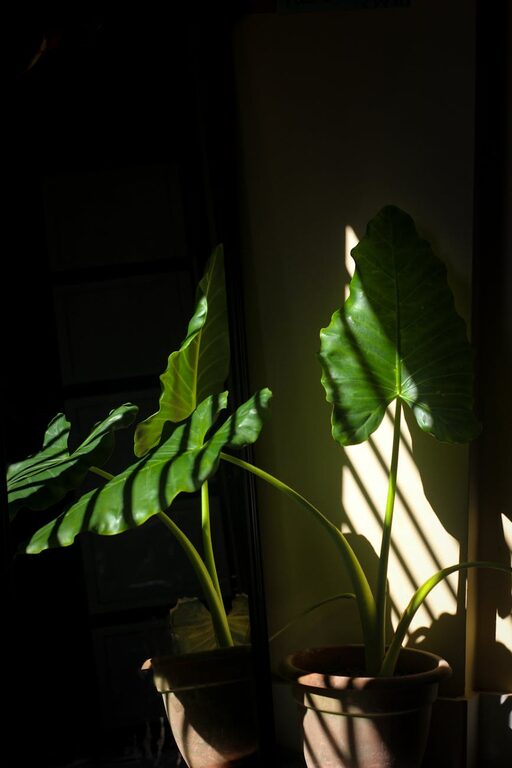
Bringing indoor plants into your home is a wonderful way to enhance your living space. Not only do they add beauty and colour, but they can also improve air quality and promote a calming atmosphere. If you’re considering introducing some greenery but aren’t sure where to start, this guide will help you understand the benefits of indoor plants and how to care for them effectively.
Indoor plants are more than just decorative items. Here are some compelling reasons why adding them to your home can be beneficial:
Many indoor plants help to purify the air by absorbing pollutants and releasing fresh oxygen. Popular options like spider plants, peace lilies, and snake plants are especially good at this, helping to reduce toxins that accumulate indoors.
Having plants around can lower stress levels and improve overall mood. Studies have shown that simply being near greenery can promote relaxation and increase feelings of happiness, making your home a more peaceful retreat.
Plants release moisture through a process called transpiration. In dry indoor environments, this can increase humidity levels, making the air gentler on your skin and respiratory system, particularly during colder months when heating dries out the air.
Indoor plants come in many shapes and sizes, from small succulents on a shelf to large statement plants like fiddle leaf figs. This versatility allows you to experiment with colours, textures, and arrangements that complement your existing décor.
When picking plants for your home, consider these factors:
– Light Requirements: Some plants thrive in direct sunlight, while others prefer shade or indirect light.
– Size and Growth: Think about how much space you have and whether the plant will need room to grow.
– Maintenance Level: Choose plants that match your availability to care for them — some need frequent watering and pruning, others are more forgiving.
– Spider Plant (Chlorophytum comosum): Tolerates low light and irregular watering.
– Snake Plant (Sansevieria): Thrives with minimal light and water.
– Peace Lily (Spathiphyllum): Prefers moderate light and weekly watering.
– Pothos (Epipremnum aureum): Adapts well to various light conditions and is drought-resistant.
– Succulents: Require bright light and infrequent watering.
Caring for indoor plants need not be complicated. Follow these basic steps to keep your plants healthy:
Ensure your plants get the amount of light they need. South-facing windows usually offer the most light, while north-facing ones provide indirect light. Rotate your plants occasionally to encourage even growth.
Overwatering is a common mistake. Most indoor plants prefer the soil to dry out slightly between waterings. Check the top inch of soil—if it feels dry, it’s time to water. Use room-temperature water and avoid letting your plants sit in standing water.
Some plants like higher humidity. If your home is dry, especially in winter, you can increase humidity by misting plants, using a pebble tray with water, or placing a humidifier nearby.
Good drainage is essential. Use pots with drainage holes and well-draining soil appropriate for the type of plant. Repot plants every year or two to refresh the soil and provide room for growth.
Fertilise your plants during the growing seasons (spring and summer) with a balanced liquid fertiliser. Follow the instructions carefully to avoid over-fertilising.
Regularly inspect your plants for signs of pests such as spider mites, aphids, or mealybugs. Treat infestations promptly with insecticidal soap or neem oil.
– Create a Green Corner: Place a mix of tall and small plants together for a lush look.
– Use Hanging Planters: Save floor space and add dimension by suspending plants from the ceiling.
– Feature on Shelves: Small plants or succulents look great on bookcases or side tables.
– Window Sills: Sun-loving herbs and plants thrive here, adding both beauty and function.
Indoor plants are a simple and affordable way to bring life into your home, improve the air you breathe, and create a relaxing atmosphere. By choosing plants suited to your environment and following basic care tips, you’ll enjoy the beauty and benefits they offer for years to come. Whether you are a seasoned plant parent or just starting out, there is an indoor plant for everyone.
Happy planting!
