 04 June 2026
 Share
Share
1
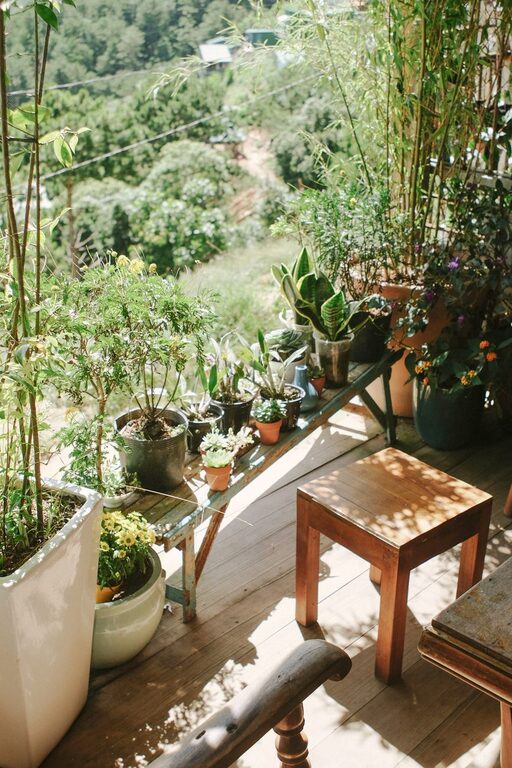
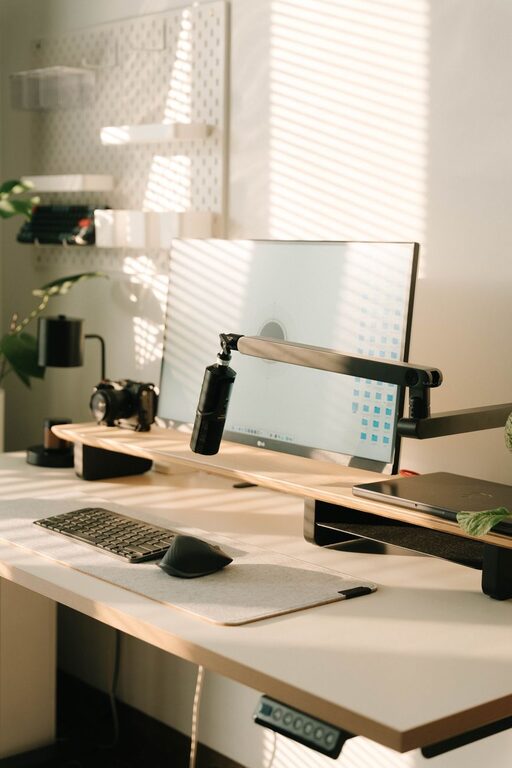
Creating a home office that feels both calming and productive is essential for anyone working from home. A well-designed workspace can help reduce stress, improve focus, and increase efficiency. Whether you have a dedicated room or just a small corner, these tips will help you create an environment where you can enjoy working while staying motivated.
The location of your home office has a big impact on your ability to concentrate and feel relaxed.
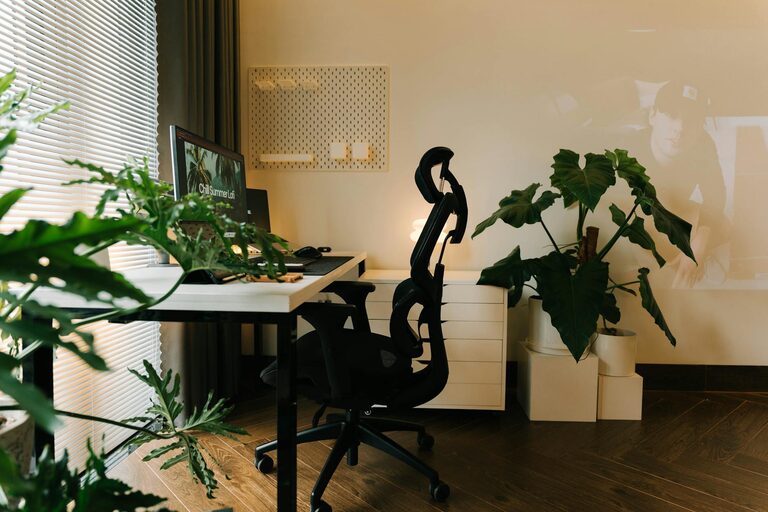
– Natural light: Position your desk near a window if possible. Natural light boosts mood and reduces eye strain.
– Quiet area: Select a spot away from household noise or high-traffic areas to minimise distractions.
– Ventilation: Good airflow keeps the space fresh and comfortable.
If space is limited, use room dividers or screens to create a sense of separation.
Comfort plays a major role in your productivity and wellbeing.
– Ergonomic chair: Choose a chair that supports your back and encourages good posture.
– Adjustable desk: Consider a desk at the right height or even a sit-stand option for flexibility.
– Sufficient surface space: Ensure your desk is big enough for your computer, documents, and any additional equipment.
Remember, your workspace should support you physically to avoid discomfort or strain over time.
The colours and decorations in your home office can influence your mood and focus.
– Colour palette: Soft, neutral tones like light blues, greens, or greys are calming and unobtrusive.
– Personal touches: Add a few meaningful items, such as plants, artwork, or photos, to make the space inviting without cluttering it.
– Minimalism: Keep decorations simple and avoid overcrowding to prevent feeling overwhelmed.
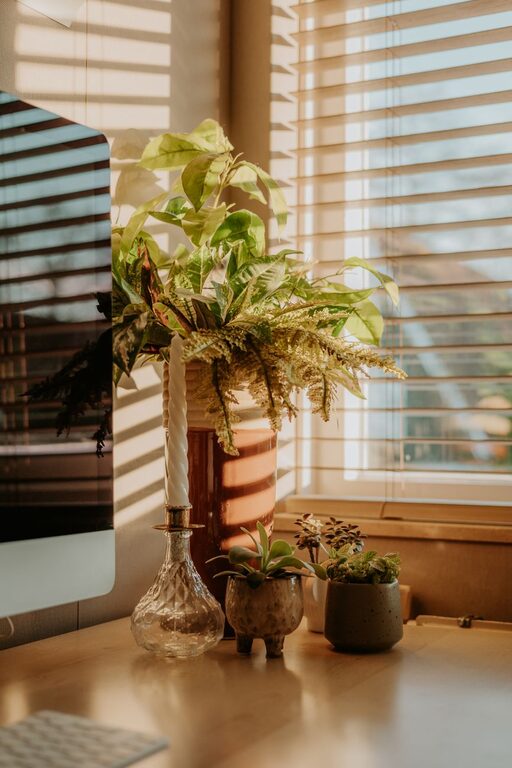
Plants, in particular, can improve air quality and bring a touch of nature indoors.
Clutter can cause stress and make it harder to focus, so organisation is key.
– Storage solutions: Use shelves, drawers, and organisers to keep essentials tidy and out of sight.
– Desk habits: Only keep frequently used items on your desk to maintain a clean workspace.
– Cable management: Hide or tidy cables with clips or sleeves to avoid a tangled mess.
A regular tidy-up routine can help maintain a pleasing, efficient workspace.
Proper lighting reduces eye strain and creates a pleasant work environment.
– Layered lighting: Combine natural light with overhead lighting and task lamps for flexibility throughout the day.
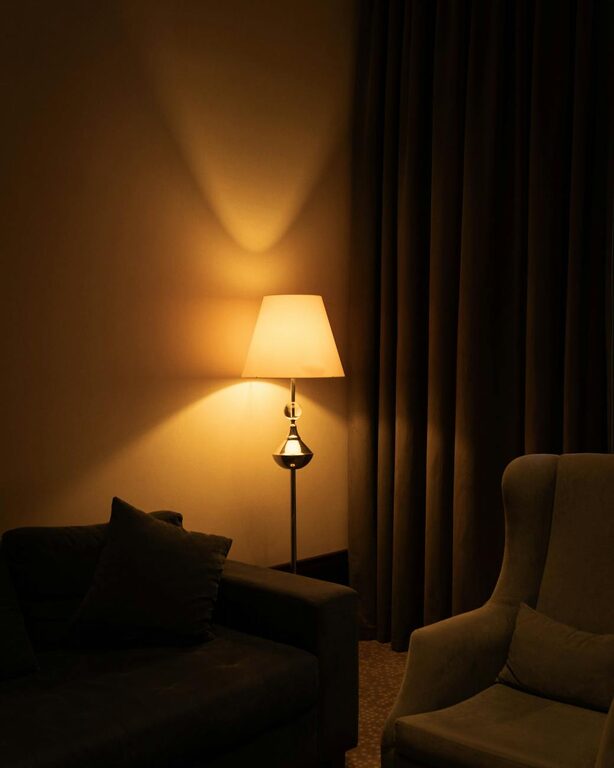
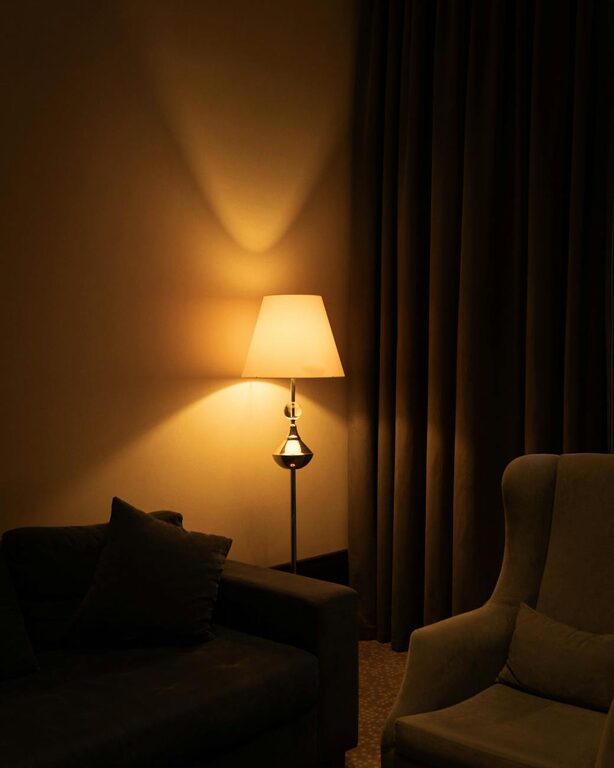
– Adjustable lamps: Use lamps with adjustable brightness or direction for focused work, especially during darker hours.
– Avoid glare: Position screens and lights to reduce glare on your computer.
Good lighting can make a significant difference in your comfort and alertness levels.
Control your environment to reduce interruptions and increase concentration.
– Set boundaries: Inform family members or housemates of your working hours to minimise interruptions.
– Use noise control: Consider noise-cancelling headphones or white noise machines if background noise is unavoidable.
– Turn off non-essential notifications: Keep distractions at bay by limiting alerts on your devices.
A calm atmosphere helps you enter a productive mindset more easily.
Sitting for long periods can cause fatigue, so plan to move regularly.
– Stretching: Take short breaks to stretch and relax muscles.
– Walking: Walk around the room or go outside briefly for fresh air.
– Stand and work: If possible, alternate between sitting and standing to reduce stiffness.
These small changes can improve your energy and focus during the day.
Having your tools well organised can streamline your work.
– Digital organisation: Use apps and software for task management, notes, and calendar planning.
– Stationery: Keep pens, notebooks, and other office essentials accessible.
– Comfort items: Include a water bottle, tea, or snacks to stay refreshed without leaving your workspace frequently.
Tailoring your tools to your preferences supports a smooth workflow.
Designing a calming and productive home office is about balancing comfort, organisation, and personal preferences. By choosing the ideal location, selecting the right furniture, organising effectively, and creating a peaceful atmosphere, you can transform your workspace into a place where you enjoy working and achieve your best results. Experiment with these tips to find what works best for you, and remember to adjust your environment as your needs evolve.