
 04 June 2026
 Share
Share
1
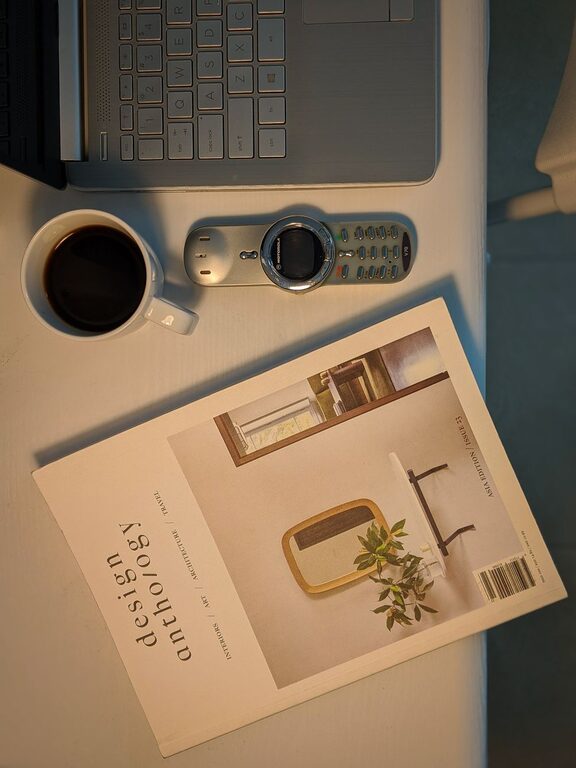
Creating a home office that is both relaxing and productive can significantly enhance your work experience, whether you’re freelancing, working remotely, or managing your own business. A well-designed space helps to reduce stress, improve focus, and maintain a healthy work-life balance. If you’re looking to upgrade your workspace, here are some practical tips to help you create a home office where you’ll enjoy spending your time.
Selecting the best location for your office is key. Ideally, choose a quiet area away from household distractions such as the kitchen or living room. This separation helps your brain associate that space with work, making it easier to stay in ‘work mode’.
Where possible, position your desk near a window. Natural light helps to brighten the room and has been shown to improve mood and concentration. If natural light is limited, invest in good-quality artificial lighting to avoid eye strain.
A comfortable chair with proper lumbar support reduces the risk of back pain during long working hours. Adjustable features like seat height, backrest tilt, and armrests allow you to customise your seating position.
Make sure your desk height allows your forearms to rest comfortably parallel to the floor when typing. Use a keyboard and mouse pad to keep your wrists straight, and consider a monitor at eye level to avoid neck strain.
Clutter can disrupt your focus and increase stress. Take a few minutes at the end of each day to tidy your desk, file paperwork, and put away items you won’t need the next day.
Implementing shelves, drawers, and organisers helps to keep supplies and documents neatly stored but within easy reach. Label boxes or files so you can find things quickly without creating a mess.
Opt for neutral or soft colour schemes such as light blues, greens, or gentle greys. These colours promote calmness and concentration compared to bold, bright hues which might be distracting.
Adding a few indoor plants can enhance air quality and introduce a relaxing natural element. Plants like spider plants, peace lilies, or succulents are easy to care for and work well indoors.
Display a few personal items like photos, inspirational quotes, or artwork. These little touches can boost your mood and make your office feel like a welcoming, personalised space.
If noise is an issue, consider adding rugs, curtains, or acoustic panels that absorb sound. Noise-cancelling headphones can also help you concentrate when the household is noisy.
Some people find that soft background music or white noise improves focus. Experiment with different sounds to see what works best for you.
Clearly define your working hours and communicate them with family or housemates. This helps minimise interruptions and keeps a work-life balance.
Incorporate short breaks to stretch, walk around, or grab a drink. These moments allow your brain to refresh and can boost overall productivity.
Plan your day with a to-do list or digital planner. Tools like the Pomodoro Technique (working in focused bursts with breaks) can help maintain motivation and focus throughout the day.
Use clips, ties, or cable boxes to keep cords untangled and out of sight. This not only improves the look of your space but also reduces hazards.
Make sure your computer, internet connection, and other devices are up to date and functioning smoothly. Regular maintenance saves time and frustration.
Designing a home office that balances relaxation and productivity doesn’t have to be complicated. By choosing the right location, investing in comfort, creating a calming environment, and adopting good work habits, you can transform any space into an inspiring and efficient workspace. Remember, your office should support your well-being as much as your work goals – a place where you can focus, create, and feel at ease.
